

Part of Your Diabetes Management Plan
Diabetes can significantly impact your eye health and vision when high blood sugar is left unaddressed, increasing your risk of serious eye complications, including potential vision loss.
Many eye conditions related to diabetes, such as diabetic retinopathy, do not have noticeable symptoms during early stages. Regular eye exams are the most effective way to detect these concerns early to help manage your condition and protect your ocular health.
Our team is here to care for your eye health and vision. Visit InVision Eyecare and make annual eye exams a part of your diabetes management plan.
How Does Diabetes Affect Your Eyes?
Blood vessels at the back of your eye help support your eye health, but high blood sugar can damage these blood vessels. Diabetes can affect your eye health if blood sugar is too high for long periods, increasing your risk of eye disease.
Managing your diabetes through carefully controlling your blood sugar, attending regular appointments with your family doctor, and annual eye exams are all important steps to help mitigate the risks of eye disease and other complications of diabetes.
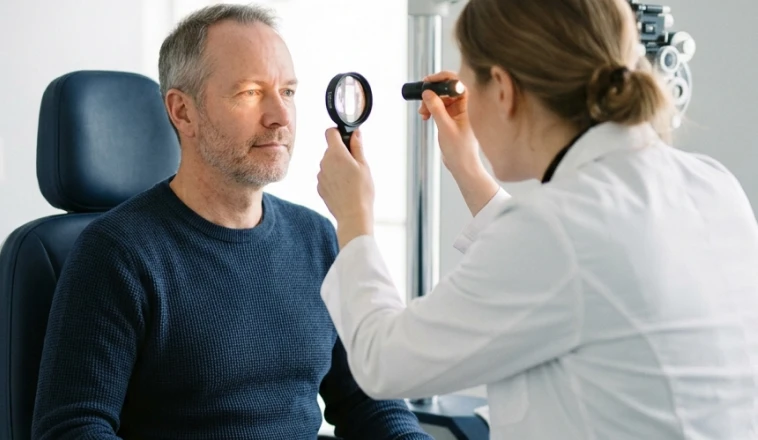
Eye Diseases Associated with Diabetes
Patients with diabetes are at risk of eye diseases caused by high blood sugar, including:
- Diabetic retinopathy: A disease that can lead to severe vision loss. High blood sugar causes swelling in the blood vessels located in your retina, causing fluid and blood to leak. Later stages of this disease can cause further bleeding or scarring in the eye.
- Diabetic macular edema: A complication of diabetic retinopathy where leaking fluid causes swelling in your macula, the part of your eye responsible for your central vision. As the swelling continues, it can lead to permanent vision loss if left untreated.
- Glaucoma: A group of conditions that lead to damage to the optic nerve. The optic nerve sends visual information from the eyes to the brain. Damage to the optic nerve results in permanent vision loss, so prevention and early detection are key.
- Cataracts: This condition occurs when the natural lens of the eye clouds and turns opaque. While cataracts are a natural result of aging, diabetes can cause cataracts to form at an earlier age.
Our Diagnostic Technology
With the effect diabetes can have on your eye health and vision, we take a comprehensive look at your eyes during each eye exam. Using innovative technologies, we examine your eye’s internal structures and assess your eye health.
Our team uses diagnostic technology to track changes in your vision and diagnose eye problems as early as possible. Some of the technology we use includes optical coherence tomography, the Optos Optomap, and FDT Matrix visual field testing.
Optical coherence tomography (OCT) is an imaging tool for capturing detailed images of the different layers of the retina.
OCT is similar to an ultrasound, except it uses light instead of sound for imaging. The high-detail images OCT records help us identify eye diseases in their earliest stages.
The Optos Optomap is a retinal imaging device for identifying signs of eye disease.
We use this diagnostic tool to capture images of the retina and optic nerve, helping us identify glaucoma, diabetic retinopathy, and age-related macular degeneration in their early stages of development.
The Frequency Doubling Technology (FDT) Matrix visual field analyzer evaluates your peripheral vision to determine how well your eyes detect light across your entire visual field.
It uncovers subtle areas of vision loss that may point to early optic nerve strain or reduced blood supply. This efficient assessment assists in identifying secondary issues such as glaucoma.
We’re Here for Your Vision and Eye Health
We understand the importance of regular eye exams for protecting your eye health and vision, especially if you have diabetes. Our team can use diagnostic technology to track changes in your vision and identify eye problems in their earliest stages.
Contact us when it’s time for your annual eye exam.
Frequently Asked Questions About Diabetic Eye Exams
Individuals with diabetes should schedule a comprehensive diabetic eye exam at least once a year to monitor retinal blood vessel health. If you notice sudden visual changes or new symptoms, you should book an appointment with InVision Eyecare sooner.
Elevated blood sugar levels can weaken or damage the delicate blood vessels in your retina over time, causing them to leak fluid or close off entirely. This impairment to internal circulation can alter your eye structures long before you notice any loss of clarity.
In their initial stages, diabetic eye conditions rarely present noticeable warning signs, but advancing disease can cause blurry vision, dark spots, floaters, or fluctuating focus. If you experience any of these symptoms, book a comprehensive eye exam with our team right away.
Diabetes increases your risk of developing diabetic retinopathy, diabetic macular edema, early-onset cataracts, and glaucoma. Scheduling annual exams allows your optometrist to track structural changes early and help protect your long-term vision.
Yes, Saskatchewan Health Services covers the cost of annual eye health assessments for residents diagnosed with diabetes. Call our clinic to schedule your annual eye exam or to address any recent concerns about your vision.
Because serious diabetic vision complications can progress silently without pain, delaying exams increases your risk of unnoticed retinal damage. We encourage you to book a comprehensive eye exam with InVision Eyecare today to keep your eye health on track.

Come See Us in Saskatoon
We’re located on the corner of 8th Street East and Sommerfeld Avenue. Find us next to the OK Tire. There is parking, including accessible spaces right outside our office.
Our Address
Contact Information
- Phone: 306-373-2234
- Fax: 306-373-2861
- Email: ivereception@yxevision.ca
After Hours Emergencies: 306-371-9911
Hours of Operation
*Closed on Saturdays during long weekends.
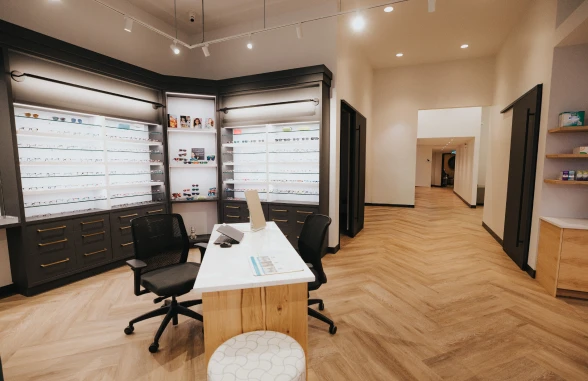
A Look Inside
InVision Eyecare




See What Our Patients Are Saying
